Our Mission & Philosophy
About the Arnow Institute of Safety Science
The Arnow Institute of Safety Science is an independent research initiative dedicated to advancing the safety profession through practical, field-driven insight. Built on experience across manufacturing, aerospace, logistics, and industrial operations, the Institute exists to bridge the gap between safety theory and real-world application. Its mission is simple: to develop and share resources, research, and ideas that safety professionals can apply in practice.
Rather than focusing on blame, the Institute emphasizes systems, processes, organizational learning, and continuous improvement. When systems fail, people are often placed in a position to fail. When systems improve, safety, reliability, and operational outcomes improve as well.
As contributors to the Arnow Institute of Safety Science, individuals are committed to advancing the profession through research, scholarship, and collaboration. Contributors may conduct research independently or work alongside other contributors on topics aligned with their interests and expertise. The Institute recognizes and credits authors for their contributions, and contributor biographies and photographs may be featured on the Institute's website when desired.
Through the development of high-quality research and publications, contributors seek to advance the science and practice of safety while supporting the dissemination of knowledge through professional journals, magazines, conferences, and other scholarly publications. Contributors may also elect to have their published work featured in the Institute's White Papers section, providing broader visibility and accessibility to safety professionals, researchers, students, and the public. The Institute's guiding principle is to advance the safety profession to benefit humanity.
Our Mission statement is to contribute to the advancement of safety science through research, professional development, and practical application in the workplace.
Mission Statement
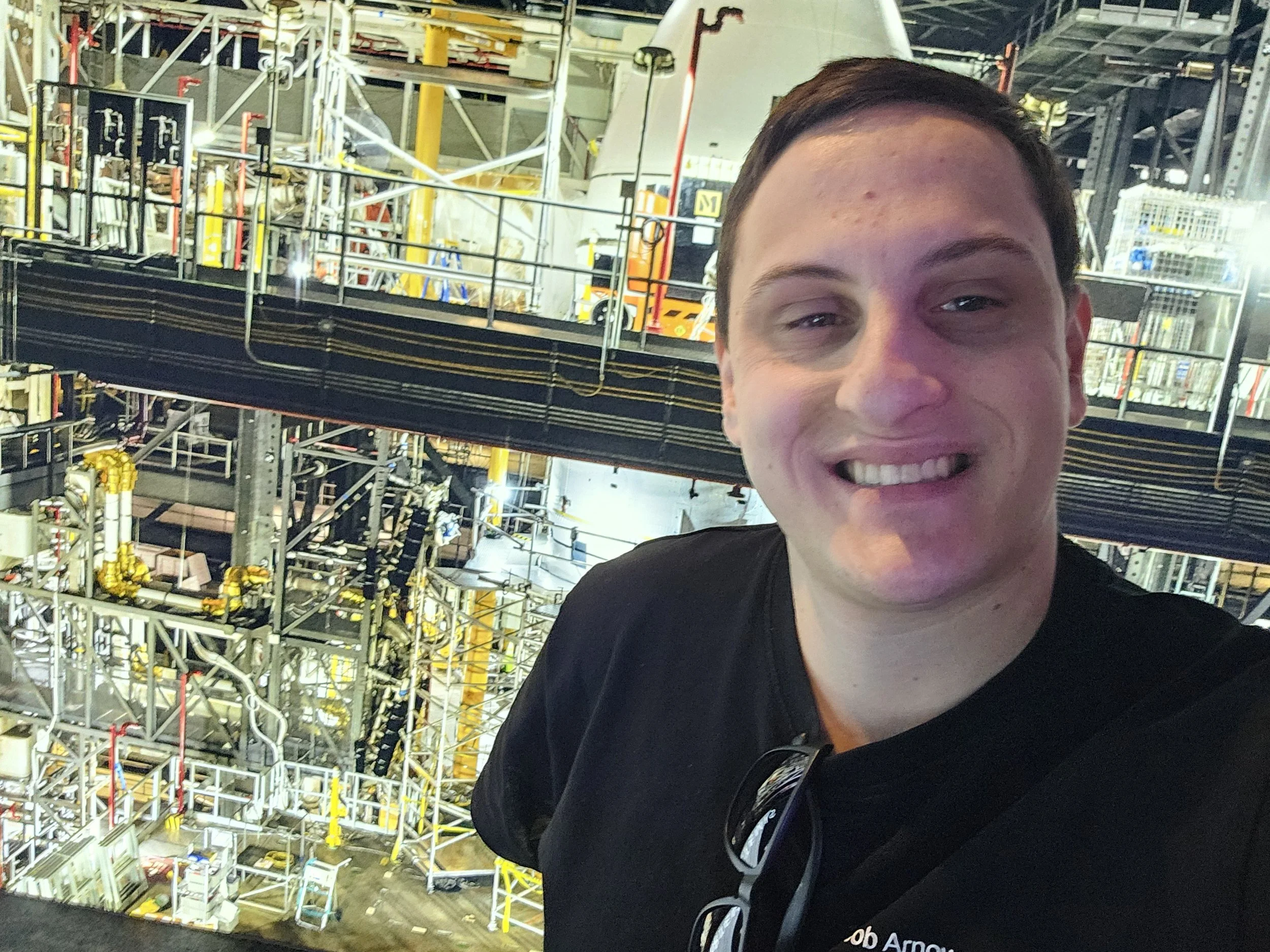
Our philosophy is centered on giving teams the tools and support they need to succeed. This perspective was shaped during my time in the aerospace industry, where effective leadership focused on building strong systems rather than assigning individual blame.
We approach safety and performance by evaluating systems and processes first. When systems fail, individuals are often placed in positions where failure becomes more likely. Focusing only on the individual, rather than addressing system-level issues, leads to incomplete and ineffective solutions.
We also distinguish between learning opportunities and mistakes. Learning opportunities primarily affect the individual and contribute to development and growth. Mistakes, however, have broader impacts and can affect internal and external customers, operations, and outcomes beyond the individual.
Philosophy
“The difference between a mistake and a learning opportunity is that a mistake is something that effects the customer, whereas, a learning opportunity only effects the internal teams that make it.”
Pictures